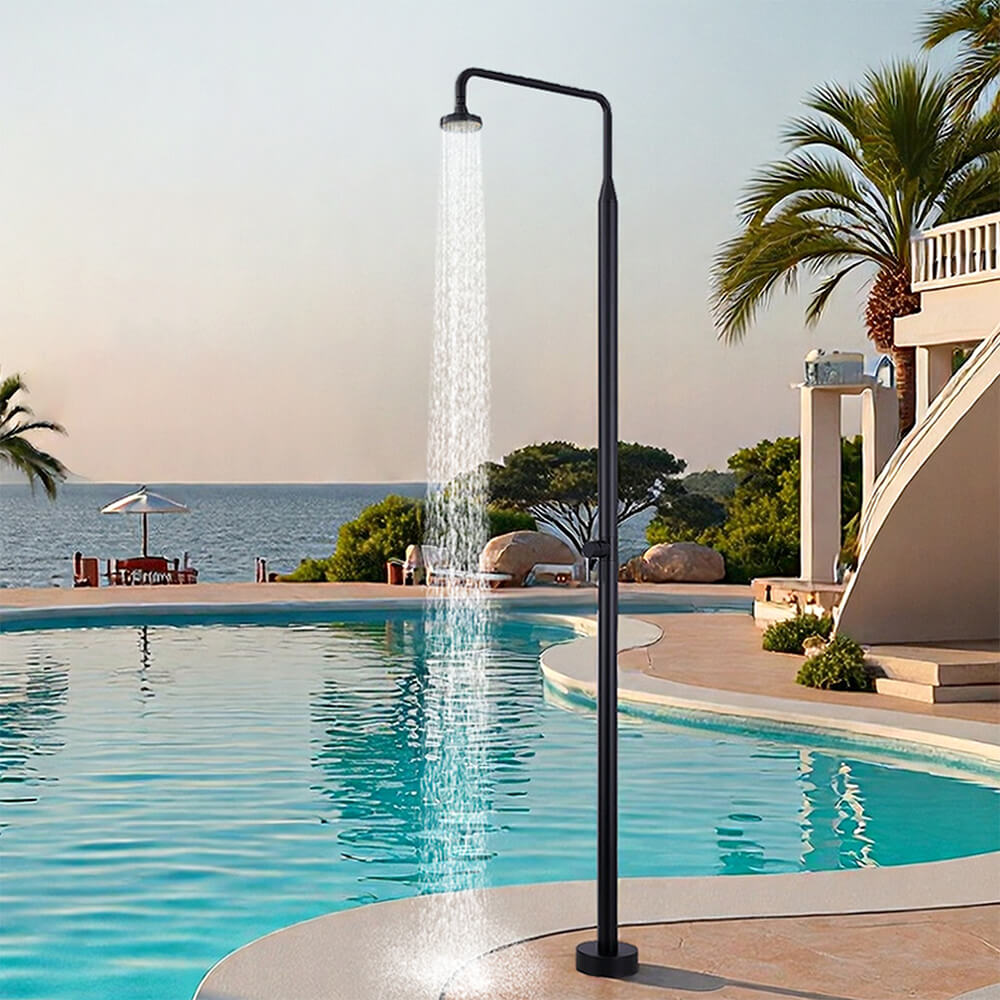
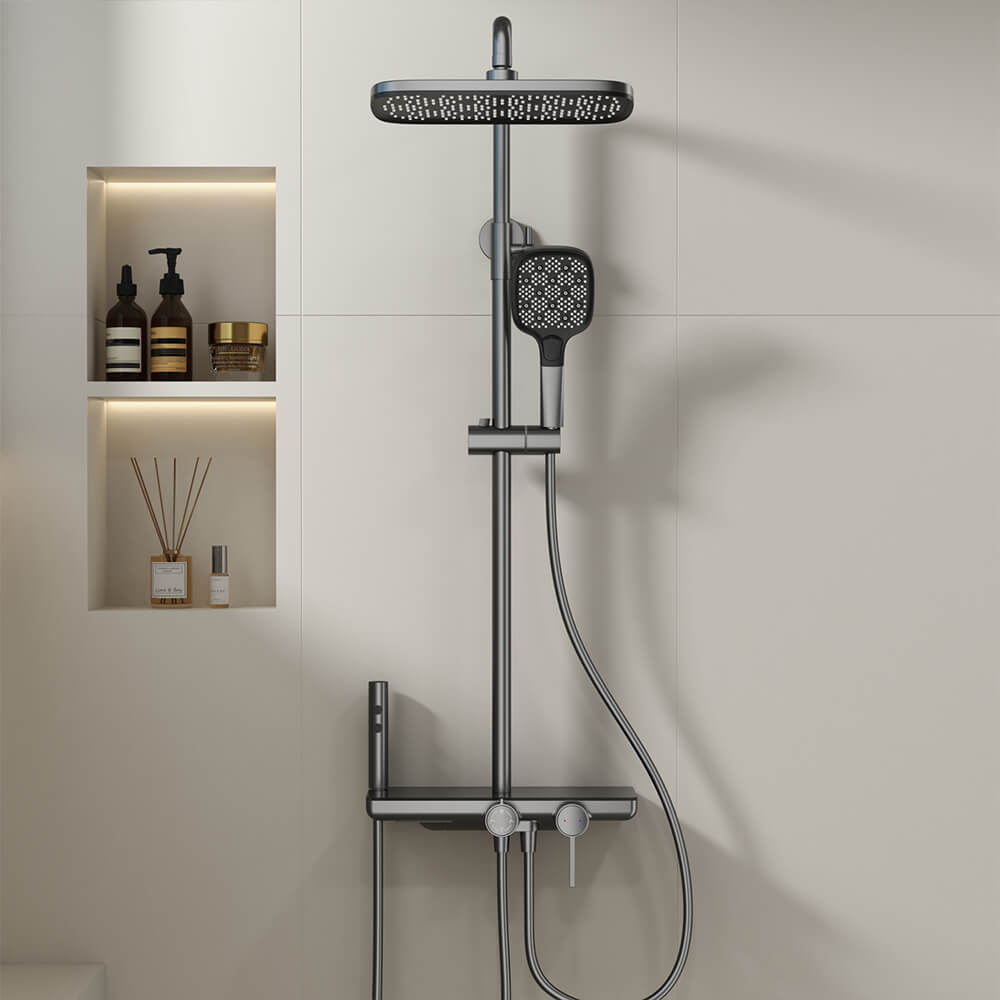
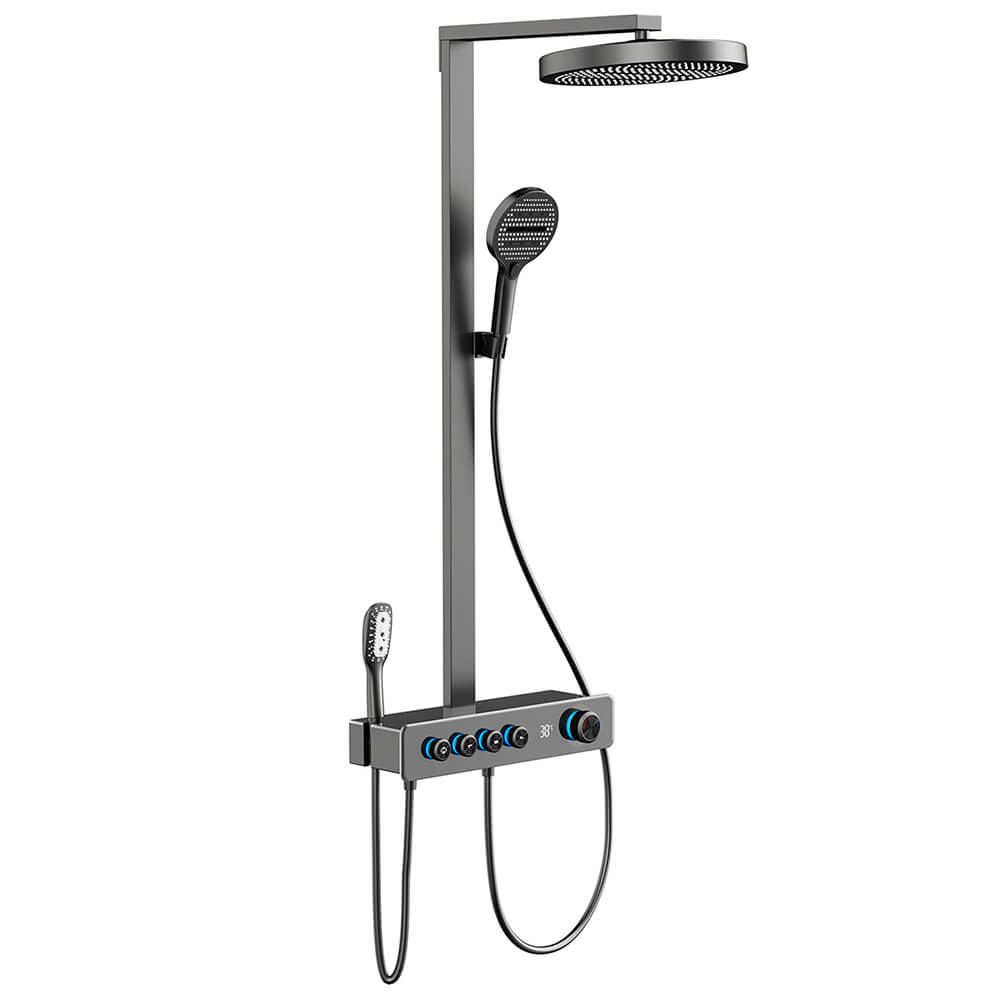
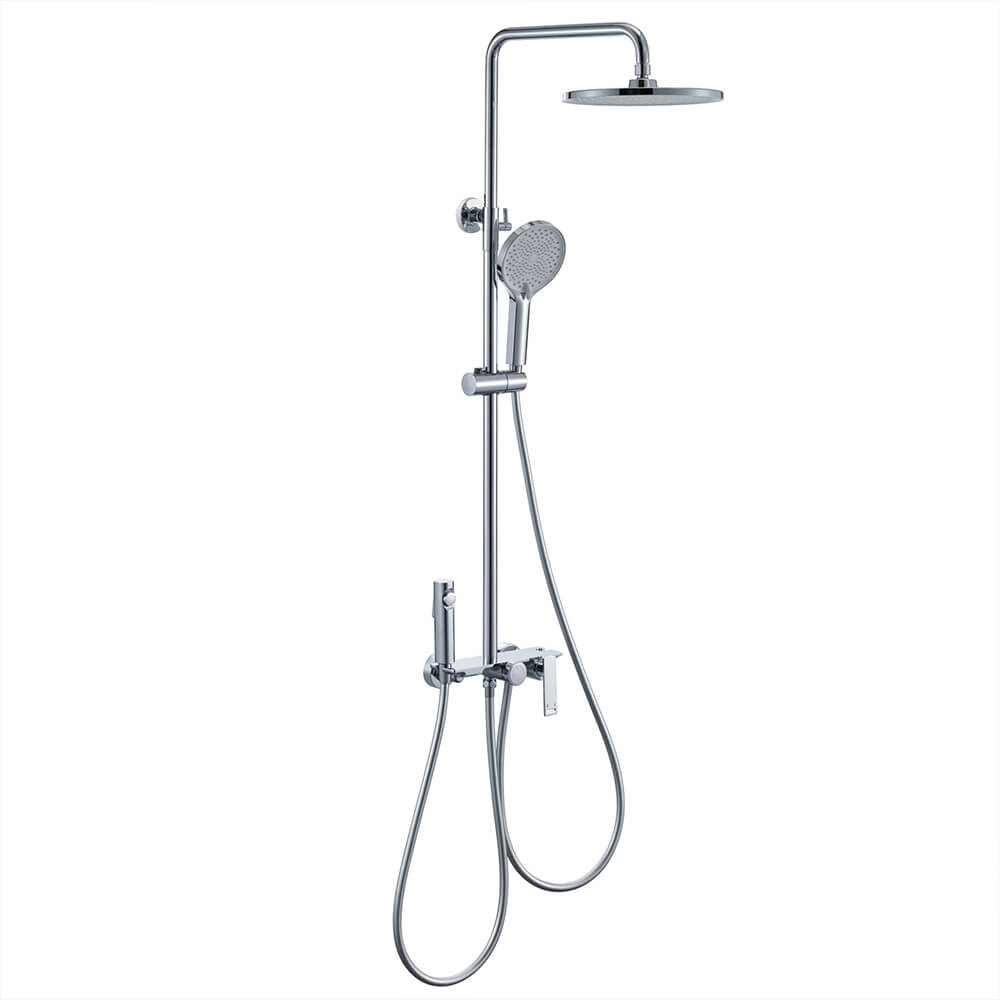
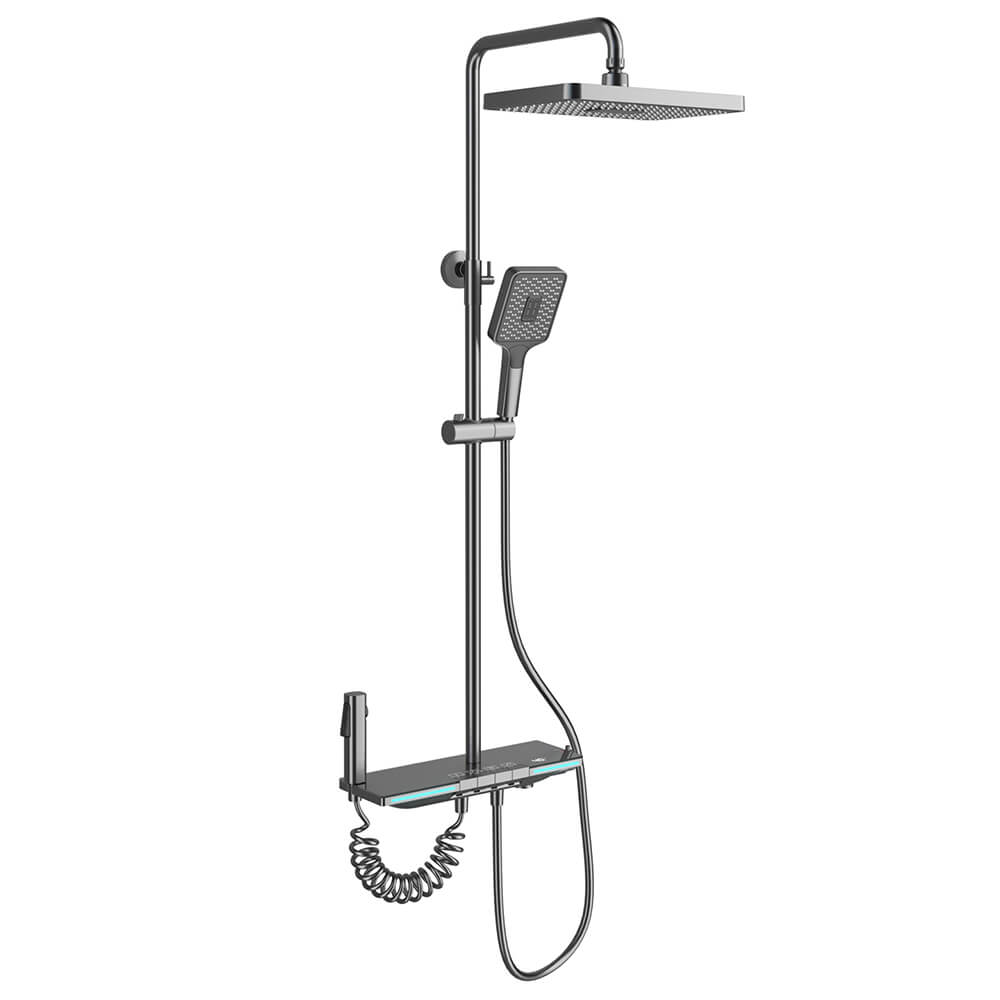
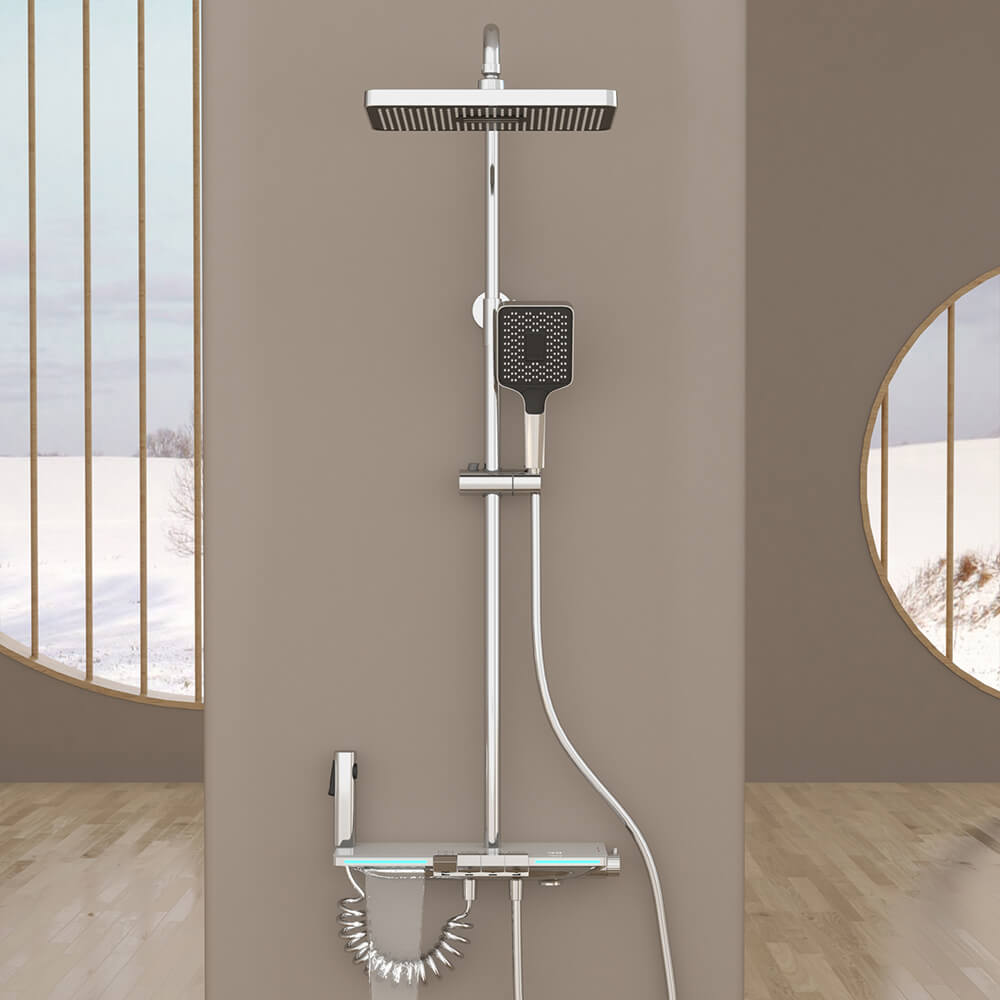
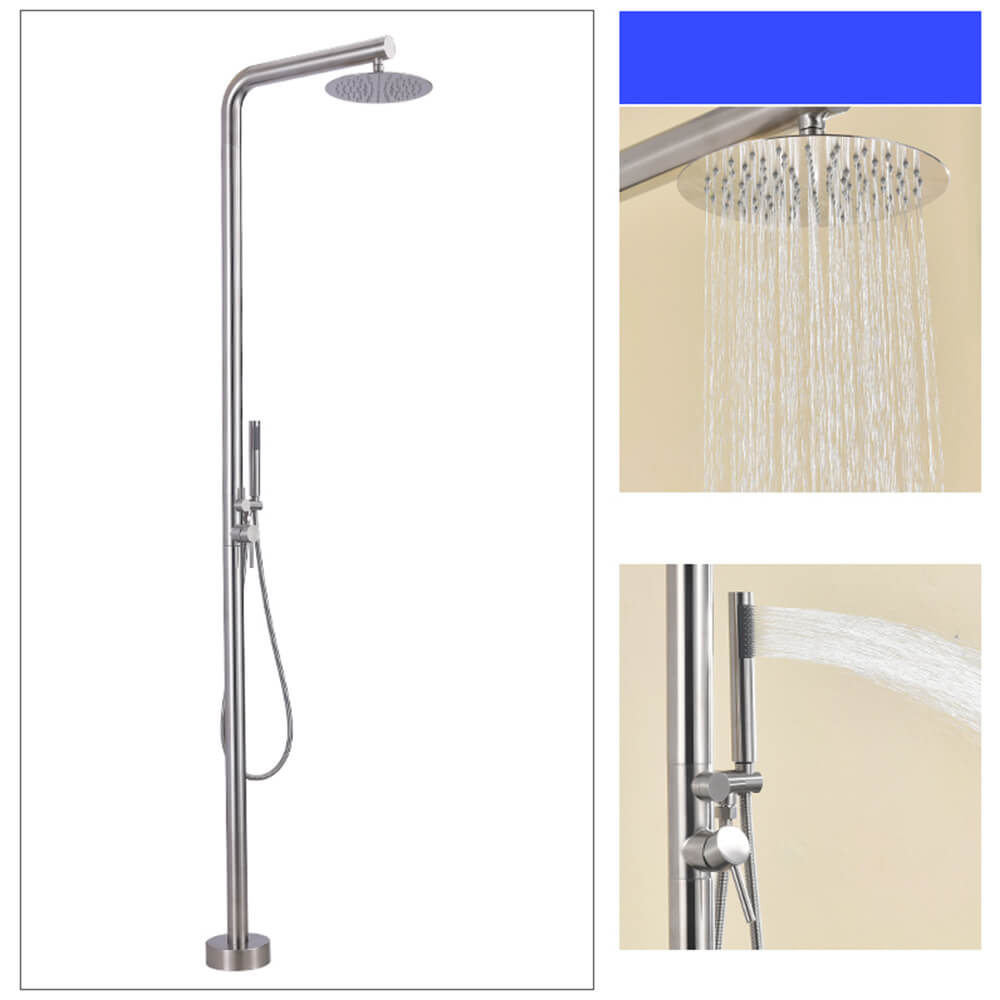
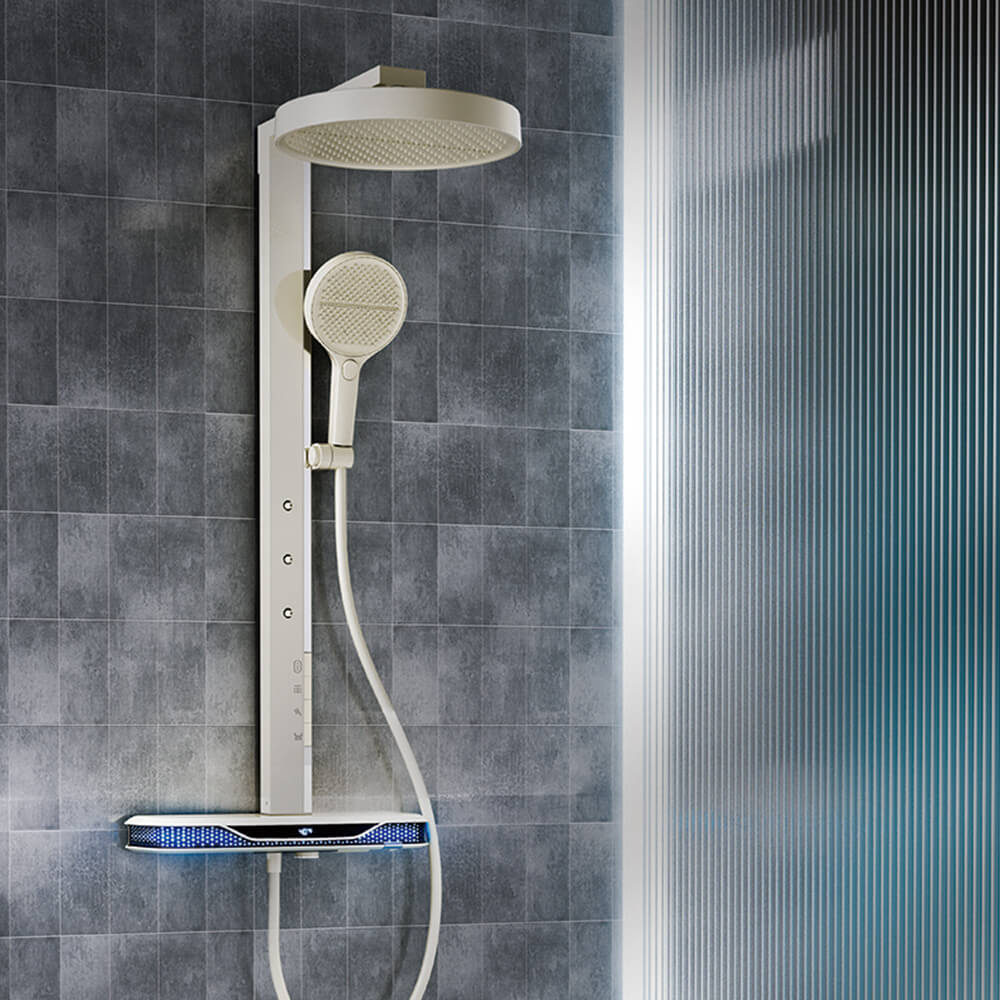
When renovating your kitchen or bathroom, a faucet may seem like a small detail—but it’s one of the most used fixtures in your home. The right faucet can enhance daily convenience, boost space aesthetics, and last for years, while a poor choice may lead to leaks, frequent repairs, and regret. As a professional faucet supplier for global markets, we’ve helped thousands of customers find their ideal faucets. In this guide, we’ll break down the key factors to consider when buying a faucet—so you can make an informed decision that fits your needs and budget.
The material of your faucet directly impacts its lifespan, corrosion resistance, and even water safety. Here are the most common materials to compare:
Brass is the gold standard for premium faucets, thanks to its excellent corrosion resistance and antibacterial properties. High-grade brass (e.g., 59 brass, with 59% copper content) is strong, ductile, and won’t rust or leak even after years of use.
- Why choose it? Brass faucets are ideal for both residential and commercial spaces (hotels, restaurants). Their surface is usually finished with electroplating, which adds a shiny, scratch-resistant layer—keeping the faucet looking new for decades.
- Best for: Kitchens, bathrooms, and areas with frequent water use.
Stainless steel (especially 304 stainless steel, containing 18% chromium and 8% nickel) is a popular choice for its affordability and easy cleaning. It resists rust, stains, and fingerprint marks—perfect for busy households.
- Why choose it? No need to worry about heavy metals leaching into water, making it a safe option for drinking water taps. It’s also more lightweight than brass, which simplifies installation.
- Best for: Rental homes, small kitchens, or anyone seeking a low-maintenance solution.
Alloy faucets (often made of zinc alloy) are the cheapest option, but they have limitations. They’re less resistant to corrosion—long-term exposure to water may cause oxidation or deformation.
- Tip: If you choose alloy faucets, check for a thick electroplated layer and ask for a quality certification (e.g., CE, NSF) to ensure basic durability.
The cartridge controls water flow and temperature—its quality determines how smoothly your faucet works and how long it lasts. There are two main types:
Ceramic cartridges are the industry standard for modern faucets. They’re made of high-hardness ceramic, which minimizes wear and tear. A good ceramic cartridge can withstand over 500,000 on-off cycles (that’s 10+ years of daily use!) and maintain a tight seal to prevent leaks.
- Top Brands to Look For: Sedal (Spain), Grohe (Germany)—these brands are known for their precision and durability.
Stainless steel cartridges are resistant to high water pressure and extreme temperatures, making them suitable for commercial buildings or areas with unstable water pressure. However, they’re slightly less sealed than ceramic cartridges and cost more.
Different water flow types are designed for specific tasks—choose one that matches how you use your faucet:
Aerated flow mixes air with water, creating a soft, steady stream. It reduces splashing (great for washing hands or dishes) and saves water by using less volume while maintaining a full flow.
- Best for: Kitchen sinks, bathroom vanities.
Waterfall faucets deliver water in a wide, cascading stream—adding a luxurious look to bathrooms (e.g., bathtub faucets). The flow is visually appealing but uses more water than aerated flow.
- Best for: Bathroom bathtubs, decorative sinks.
Some faucets (especially kitchen ones) come with a spray function. The fine mist can easily rinse off food residue from dishes or clean the sink—perfect for practical, daily use.
- Tip: Look for faucets with a pull-out spray head for extra flexibility.
The surface finish affects both the faucet’s appearance and its ability to resist scratches, stains, and corrosion. Here are the most popular options:
Chrome plating is the most common finish—it gives faucets a bright, mirror-like shine that matches any decor (modern, traditional, minimalist). It’s also affordable and easy to clean—just wipe with a damp cloth.
- Key Spec: A high-quality chrome layer should be 0.2–0.3 microns thick for long-lasting protection.
Brushed nickel has a soft, matte metallic texture that hides fingerprints and water spots. It’s a great choice for modern or industrial-style kitchens/bathrooms and pairs well with neutral colors (white, gray).
Painted faucets (e.g., matte black, gold) let you add a pop of color to your space. However, the paint layer is prone to chipping if scratched—avoid using abrasive cleaners on them.
Modern faucets come with extra features to make life easier. Consider these based on your needs:
Nearly all faucets now have this feature—you can adjust the water temperature with a single handle (single-lever faucets) or two handles (double-handle faucets). Single-lever designs are more user-friendly for kids or the elderly.
A pull-out or pull-down spray head lets you reach every corner of the sink—ideal for washing large pots or cleaning the sink itself. Look for a flexible hose that retracts smoothly.
Touchless faucets use infrared sensors to turn water on/off—no need to touch the handle with dirty hands. They’re perfect for bathrooms (to prevent germ spread) and kitchens (when your hands are full of food). They also save water by automatically shutting off when not in use.
Choosing a reputable brand ensures you get a high-quality faucet and reliable support. Here’s what to check:
- Certifications: Look for global certifications like CE (EU safety standard), NSF (water safety), or cUPC (North American plumbing standard)—these prove the faucet meets strict quality and safety rules.
- Warranty: A good brand offers a 5–10 year warranty for the faucet body and 1–2 years for parts (e.g., cartridges). Avoid brands with no warranty or short-term coverage.
- Our Promise: As a trusted faucet supplier, we provide faucets with CE, NSF, and cUPC certifications, plus a 7-year warranty on brass bodies and 2-year warranty on cartridges. Our team offers 24/7 customer support to solve any installation or maintenance issues.
- Measure Your Sink: Check the number of holes in your sink (1-hole, 3-hole) to ensure the faucet fits.
- Match Your Decor: Choose a faucet style (modern, traditional, industrial) that complements your kitchen/bathroom design.
- Prioritize Needs Over Trends: A waterfall faucet may look trendy, but if you need a practical kitchen tap, a pull-out spray faucet is better.
Whether you’re upgrading your home or furnishing a commercial project, the right faucet can make a big difference. Explore our collection of brass, stainless steel, and touchless faucets—we have options for every style and budget. If you have questions, contact our team today—we’re here to help you find the perfect faucet!