When selecting faucets for your kitchen or bathroom, the material is a crucial decision that impacts not only aesthetics but also functionality and longevity. Brass and stainless steel are two of the most popular materials, each with distinct advantages. This article provides a detailed comparison to help you make an informed choice.
1. Material Composition and Basic Properties
Brass Faucets are crafted from an alloy primarily composed of
copper (50%-63%) and zinc (37%-50%)
.The specific copper-zinc ratio influences its color and properties, leading to variations like yellow brass or red brass. Modern brass faucets are subject to strict safety standards, with lead content in wetted surfaces limited to ≤0.25%
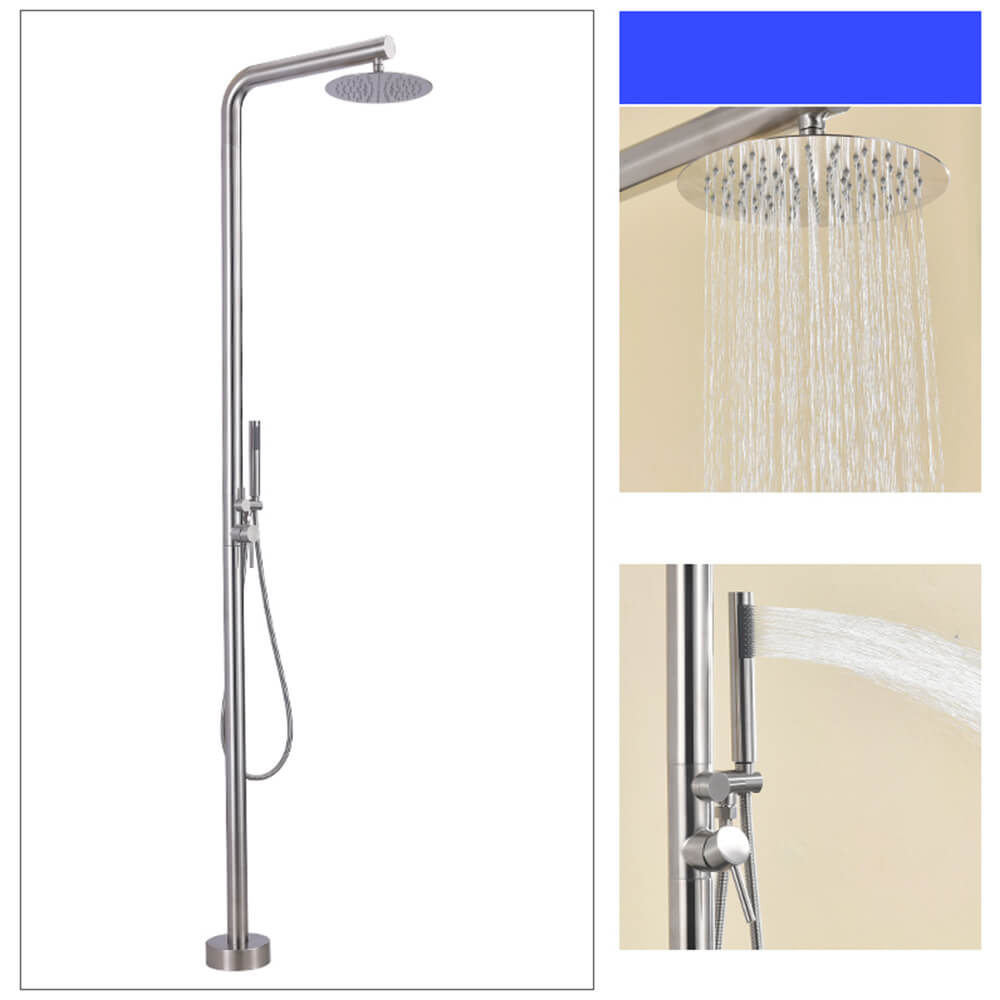
Stainless Steel Faucets are typically made from
304 or 316-grade stainless steel, which consists of iron, carbon, chromium (around 18%), and nickel (8%-10%)
The chromium content forms a protective oxide layer, granting its signature resistance to rust and corrosion.
Grade 316, often used in high-end faucets, includes molybdenum for enhanced performance in harsh environments
.
2. Durability and Corrosion Resistance
Both materials are highly durable, but they excel in different conditions.
| Aspect |
Brass Faucets |
Stainless Steel Faucets |
| Lifespan |
Can last for decades, potentially up to 50 years with proper care
. |
Often exceeds 10 years, and can also last for decades
. |
| Corrosion Resistance |
Highly resistant to corrosion and rust (contains no iron)
. Performs well in hard water areas
. |
Superior rust and corrosion resistance, especially in humid or coastal environments
. |
| Weakness |
May be prone to dezincification in harsh water conditions if not properly alloyed. Can tarnish over time
. |
Highly scratch-resistant, but its rigidity may make it more susceptible to impact damage compared to brass
. |
3. Aesthetic Appeal and Design Versatility
The choice here largely depends on your desired style.
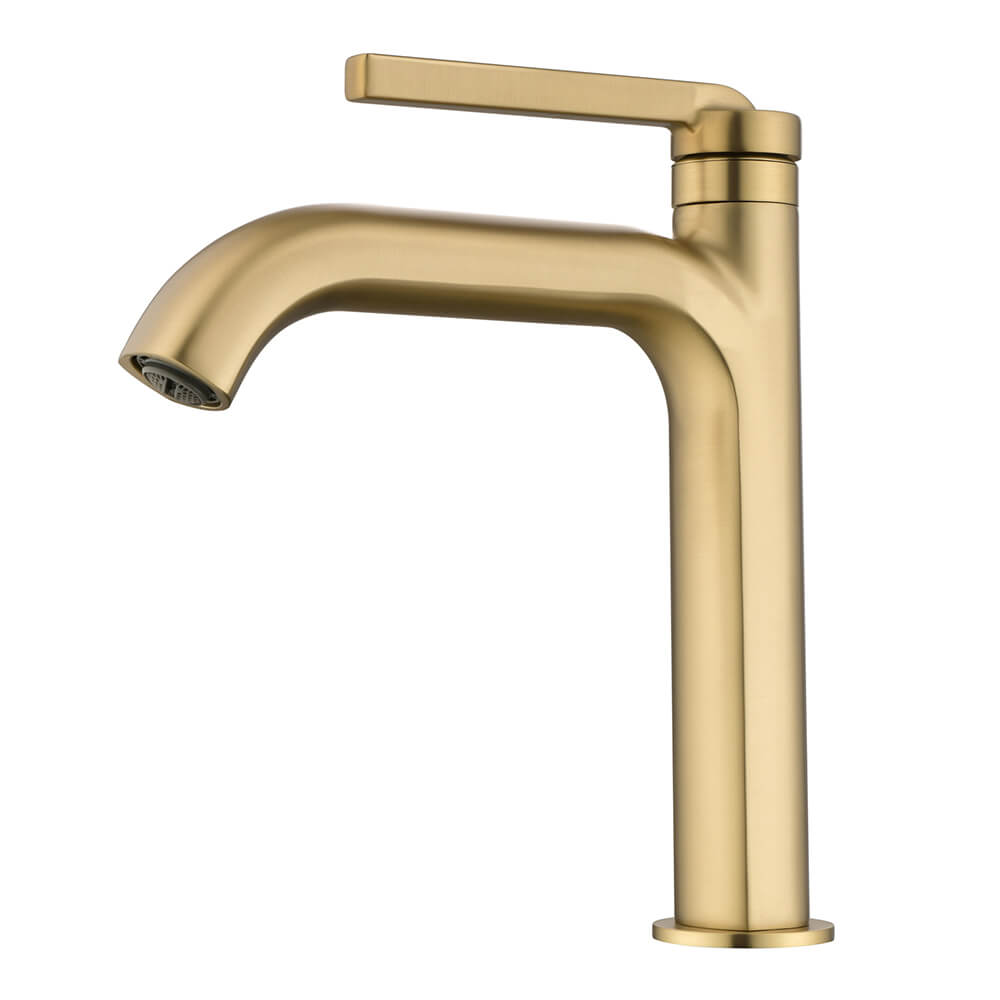
- Brass Faucets: Offer a warm, golden tone that is ideal for traditional, vintage, or farmhouse-style kitchens and bathrooms
. They develop a natural patina over time, which many find adds unique character and charm
. They are available in a variety of finishes, such as polished, brushed, or antique
.
- Stainless Steel Faucets: Feature a sleek, silver/chrome-like appearance that suits modern, minimalist, or industrial designs
. Their cool, neutral tone easily complements a wide range of color schemes and provides a clean, professional look often preferred in commercial settings
.
4. Maintenance and Care
This is a key differentiator between the two materials.
- Brass Faucets: Generally require more upkeep. Unlacquered brass needs regular wiping and occasional polishing with a specific brass cleaner to prevent tarnishing
. In humid environments, it may develop a greenish layer called verdigris
.
- Stainless Steel Faucets: Are low-maintenance. Their non-porous surface is easy to clean, typically requiring only weekly wiping with a damp cloth to maintain its shine
. A potential drawback is that fingerprints and water spots may be more visible on certain finishes
.
5. Health and Environmental Considerations
- Health (Antimicrobial Properties): Brass has a significant advantage due to the natural antimicrobial properties of copper, which can kill harmful bacteria within hours
. Stainless steel lacks this inherent ability, but its non-porous surface is easy to sanitize and does not harbor germs easily
.
- Environmental Impact: Both materials are highly recyclable
. Stainless steel is often made from recycled materials, and its longevity makes it a sustainable choice
. Brass is also fully recyclable, but its higher cost is partly due to the price of copper
.
6. Cost Comparison
- Brass Faucets are typically more expensive due to the high cost of copper and more labor-intensive manufacturing processes
.
- Stainless Steel Faucets are generally more affordable, making them a budget-friendly option. However, high-end models with special coatings can approach the cost of brass faucets
.
Conclusion: Which One Should You Choose?
Your final decision should be based on your specific needs, style preferences, and environment.
Choose Brass If:
- You prefer a classic, warm, and luxurious aesthetic
.
- Natural antimicrobial properties are a priority for you, such as in a hygiene-conscious kitchen
.
- You live in an area with hard water
.
- You don't mind performing regular polishing to maintain its shine or appreciate a developing patina
.
Choose Stainless Steel If:
- You prefer a sleek, modern look for a contemporary or industrial space
.
- You want a low-maintenance faucet that is easy to clean
.
- Your home is in a coastal or high-humidity area where superior rust resistance is crucial
.
- You are looking for a durable and generally more affordable option
.
Ultimately, both brass and stainless steel are excellent materials for faucets. By weighing their distinct characteristics against your personal priorities, you can select the perfect faucet to enhance your home for years to come.