


Outdoor Shower Head: Enjoy a Refreshing Backyard Rinse Every Summer Day in 2026
The Case for an Outdoor Shower in 2026
Not every backyard has a pool. Not every home sits near a beach....
read more
Jun
If you have a pool, live near the beach, or simply enjoy spending summer days in the yard, you know the drill. Wet footprints trail across your living room. Sand grinds into hardwood floors. Chlorine residue eats away at indoor tile grout. A basic garden hose barely solves the problem — it lacks pressure, warm water, and any sense of comfort. An outdoor shower kit changes all of that in a single afternoon.
Without a dedicated rinse station, every pool day or beach trip ends the same way: a messy hallway, damp towels on furniture, and kids tracking dirt through the house. Compare that to stepping under a freestanding outdoor shower right by the patio, rinsing off completely before you ever open the door. The difference is immediate and dramatic.
"Best home upgrade we've made this year. The kids rinse off before coming inside every time." — Sarah T., coastal homeowner
The outdoor living market continues to expand as homeowners invest in functional backyard spaces. According to industry data, outdoor shower installations have risen steadily, driven by new construction near coastlines and the renovation boom in vacation properties. Today's buyers want more than a grill and a patio chair — they want the full resort experience at home.
This shift is especially visible in 2026, where searches for outdoor shower installation guides have climbed sharply. Homeowners see an outdoor shower not as an add-on but as an essential feature that adds both convenience and property value.
A quick rinse under an outdoor shower head does more than keep floors clean. Washing off chlorine right after swimming protects your skin and hair from dryness and irritation. Rinsing away salt water prevents scalp damage and that persistent itch. Even gardeners benefit — washing off pesticides and soil before entering the house is a simple health precaution.
Cold-water models offer an invigorating therapy effect. Athletes and wellness enthusiasts have embraced cold rinses for muscle recovery, making the outdoor shower a dual-purpose fixture: practical and therapeutic.
Not every metal survives outdoor exposure. Here is what to look for when choosing your outdoor shower kit:
Look for shower heads with silicone nozzles. They resist mineral buildup and make cleaning effortless — a quick wipe and water flow is restored.
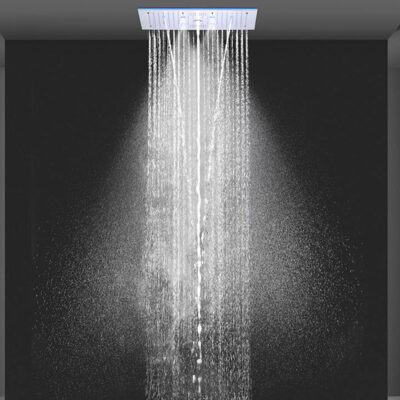
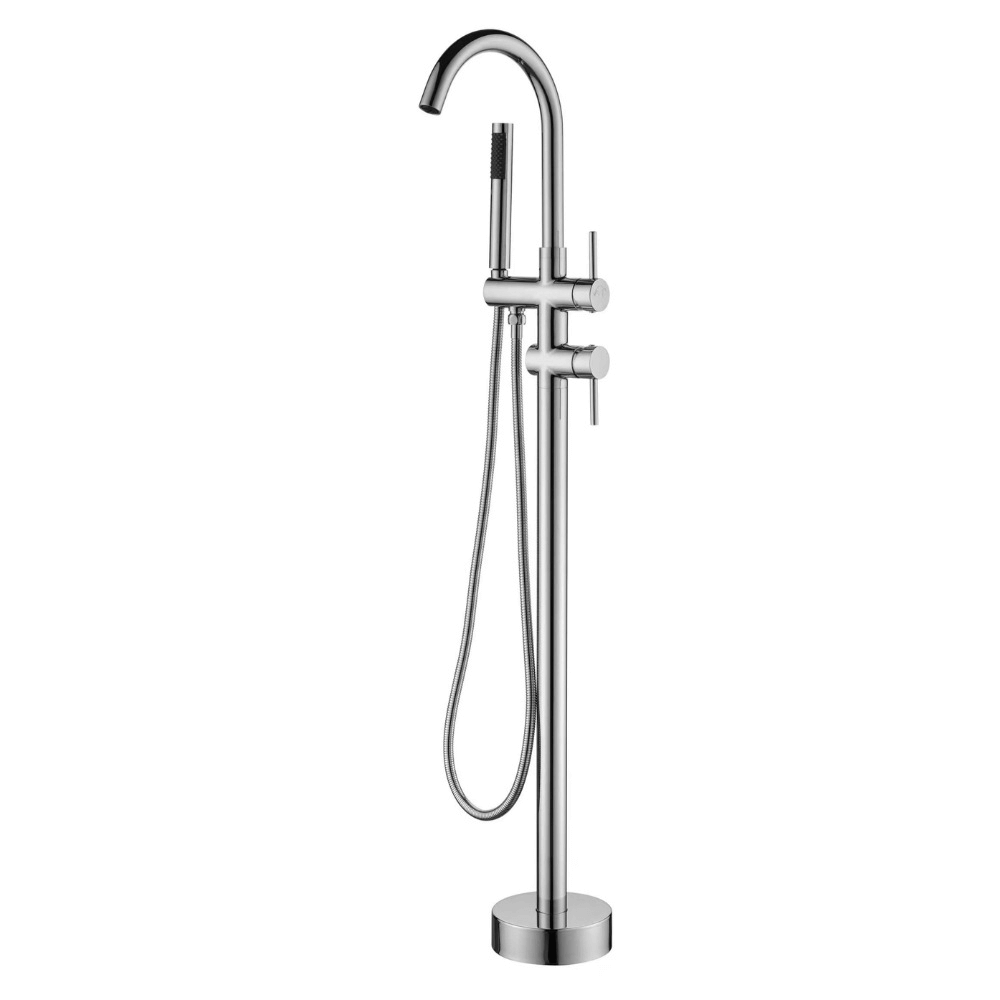
Minimalist cylindrical columns are the dominant style this year. They blend into modern landscapes and take up very little visual space. For traditional homes, wall-mounted rainfall heads paired with a handheld wand offer the best of both worlds — a spa-like downpour plus a targeted rinse.
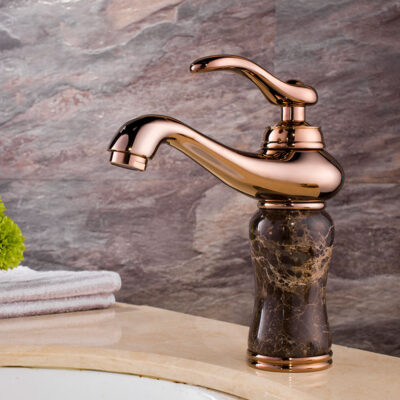
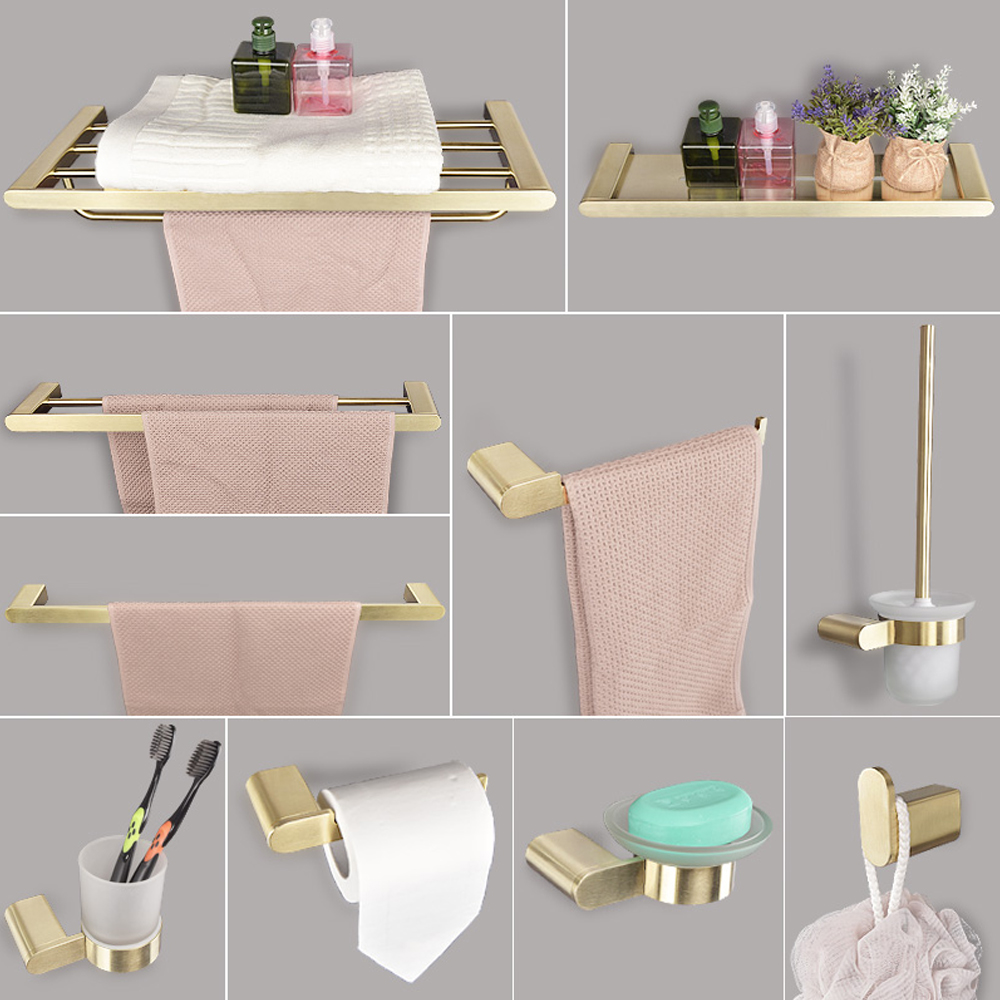
Matte black and brushed gold remain the most requested finishes. Gunmetal grey is emerging as a third favorite, especially when paired with natural wood or stone surrounds. Whatever finish you choose, make sure the rest of your backyard hardware matches for a cohesive look.
Most freestanding outdoor shower models connect to a standard garden hose fitting, which makes DIY installation possible in under an hour. For a permanent plumbed setup, hire a licensed plumber to run hot and cold lines. Either way, ensure proper drainage: a gravel bed or a dedicated drain line prevents water pooling near your foundation.
Position your shower at least six feet from the house entrance. This gives enough space for a dry-off area and keeps splashing water away from siding. If you live in a cold climate, install a shut-off valve indoors and drain the line before freezing temperatures arrive.
An outdoor shower is one of the highest-impact, lowest-effort upgrades you can make to your property. It protects your home, improves your comfort, and adds genuine resale appeal. Browse our curated collection of outdoor shower heads and complete kits at Jinnaiya — and start enjoying rinse-off convenience this season.